

I remember the afternoon clearly: a Nairobi taxi crawling through rush-hour, the city’s horns like an impatient orchestra. I needed a break I didn’t know how to ask for. An hour later I was standing on a soft slope in Tigoni, the aroma of lemon grass and lavender wrapping around me like a slow exhale. A guide handed me a little sachet of dried mint and asked me to close my eyes. For the first time that week the noise of the city dimmed and I began to notice the small things: the hush of leaves, a bee’s measured buzz, the cool velvet of a sage leaf under my thumb. That little sanctuary is part of the sensory garden movement that’s quietly rising across Kenya and it’s changing how we heal, learn and rest.
What is a sensory garden and why does it matter right now?
A sensory garden is deliberately designed to engage your five senses; sight, smell, sound, touch and taste and sometimes even balance and movement. Unlike a formal ornamental garden, it invites interaction: you touch the leaves, taste herbal teas, listen to water features and follow fragrant paths that guide mood and memory. Landscape and therapeutic design literature shows that these spaces reduce stress, support attention restoration, and help recovery after trauma or illness. In practical terms, they’re not a luxury: they’re a low-tech, high-impact way to restore mental bandwidth in a world that keeps asking more of us.
The Kenyan story: where sensory gardens are taking root
Kenya’s sensory-garden story begins in places that already held quiet: the tea slopes of Limuru/Tigoni. Gathoni Park Farm, home to the Sensory Garden & Tea Farm Tours near Limuru has expanded the idea of a garden into a full-day sensory experience for families, schools and weary city-dwellers.
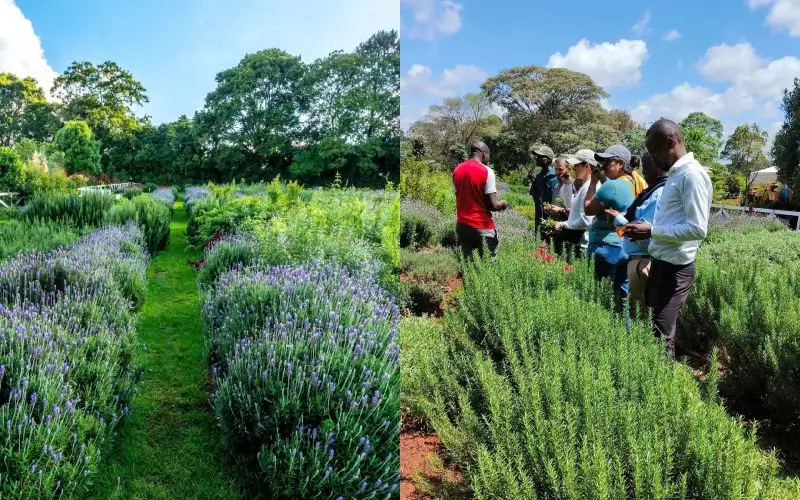
Visitors stroll herb beds, make scented bags, taste herbal teas and learn tea-picking, a hands-on mix that doubles as mindfulness, agriculture education and gentle therapy. The farm’s team even point to a rise in school and family bookings since experiential learning became part of the national education push.
Nearby, Naiposha and Naishola gardens (also part of the Tigoni green cluster) provide lakeside lawns, restorative walks and curated plantings that invite quiet reflection and slow conversations. Together these sites show a pattern: Kenyans are turning to gardens not just for weddings and photography, but for purposeful wellbeing, school trips, corporate retreats and therapeutic programming.
In Nairobi itself, smaller operators and programmes – from sensory play specialists to autism-friendly learning gardens are adapting the same principles to urban parcels and school compounds. These initiatives reflect a practical truth: you don’t need acres to design restoration, you need intention.
How sensory gardens help the mind (and bodies, too)
- Attention Restoration: Natural, softly fascinating stimuli (a breeze on chimes, a pond’s shimmer) let attention rest and renew.
- Stress reduction: Aromatic herbs, quiet pathways and tactile plants lower physiological markers of stress.
- Social and developmental benefits: For children (including those with sensory processing differences), gardens provide safe, structured sensory play and social learning.
- Practical therapy: Activities like potting, pruning and making herbal sachets build fine motor skills and a sense of mastery.
These benefits are supported both by therapeutic-garden design practice and by real-world programmes that run horticultural workshops for wellness and schools.
Designing a Kenyan sensory patch; quick, practical ideas
If you’re a garden lover in Nairobi, Mombasa or Kisumu and want to start a sensory patch, begin with five small beds, each focused on one sense:
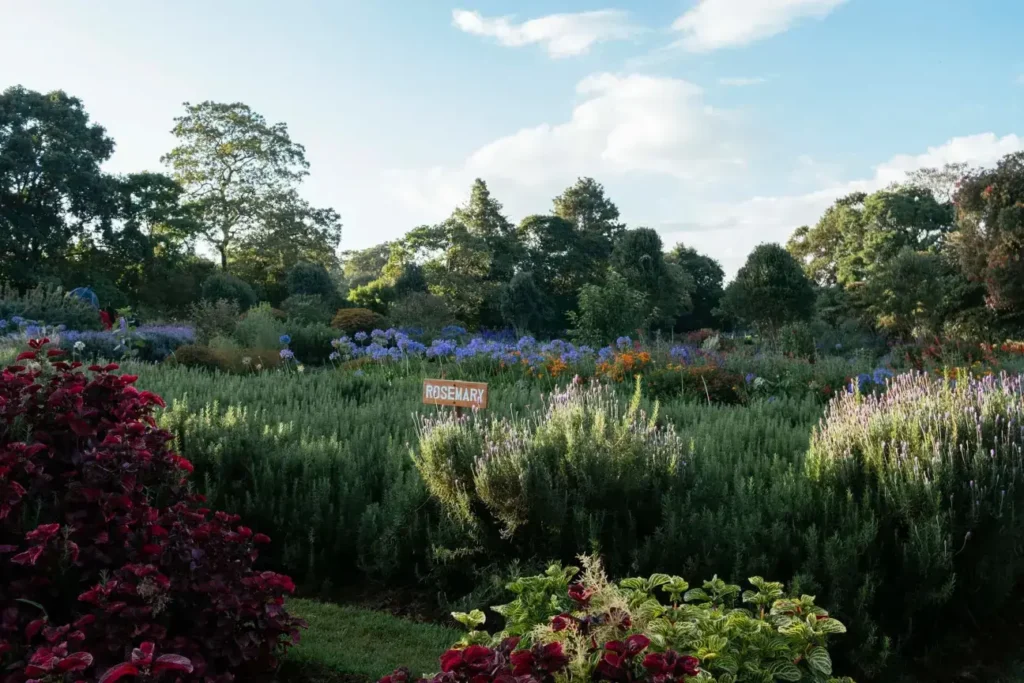
- Smell (herb bed): lavender, lemon grass, mint, thyme.
- Touch (texture bed): lamb’s ear (Stachys byzantina), sage, ornamental grasses.
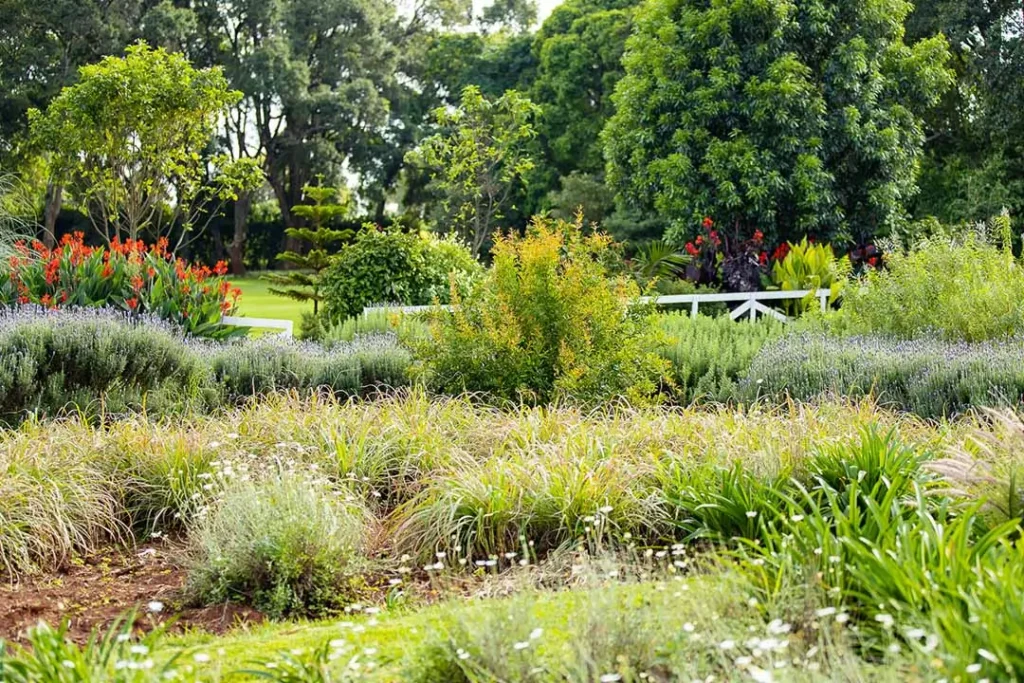
- Sight (colour & movement): mass plantings of seasonal colour and bird-attracting shrubs.
- Sound (water & chimes): a small recirculating fountain and bamboo chimes.
- Taste (edible trail): potted citrus, edible flowers, herb pots for fresh tea.
Make paths accessible, include seating at eye level, and use raised beds for schools or therapy groups. Keep maintenance simple: mulching, drip irrigation and seasonal pruning go a long way.
Tools, plants and local know-how
Eden Lawn & Garden Centre can be a practical partner for anyone building a sensory space. From raised-bed kits and small water pumps to curated herb collections and kid-friendly gardening tools, Eden’s inventory and installation services make it easier to translate design into daily practice. For schools or wellness groups, think about workshops that combine Eden-supplied starter kits with a handful of trained facilitators, a fast route from idea to impact.
A few practical safety notes
- Check plants for allergies and avoid toxic species in edible/touch zones.
- Supervise young children around water features and edible beds.
- Use signage to invite gentle interaction, “Touch me gently” or “Smell this leaf”, these cues shape the experience.
The gentle business case
Why are schools, therapists and tour operators investing in sensory gardens? Because they work on two levels: they deliver measurable wellbeing outcomes (fewer anxious behaviours, calmer classroom transitions) and they create memorable experiences that draw families, donors and local partners. Gathoni Park Farm’s workshops and farm tours are a good example: they combine education, wellness and tourism into a sustainable programme that supports the farm’s maintenance and community engagement.
Final note; a place to start
Back in Tigoni, the sachet of mint I carried home became a small ritual: three slow breaths whenever the city felt loud. That’s the simplest lesson sensory gardens teach: restoration doesn’t need a long appointment; it needs a deliberate pause. Kenya’s new sensory gardens are offering that pause, in tea fields, schoolyards and pocket-parks and inviting us to remember a quieter rhythm.
If you’re a gardener, teacher, therapist or an urban parent, there’s now a local blueprint: start small, plant with purpose, invite touch and let the senses lead the way.
